Abuja, Nigeria, 23 September 2026 — The West African Tax Administration Forum (WATAF) and the Institut des Finances Publiques du Burkina (IFPB) have signed a Memorandum of Understanding to strengthen the training of current and future public finance officials and promote good practices in tax administration across West Africa.
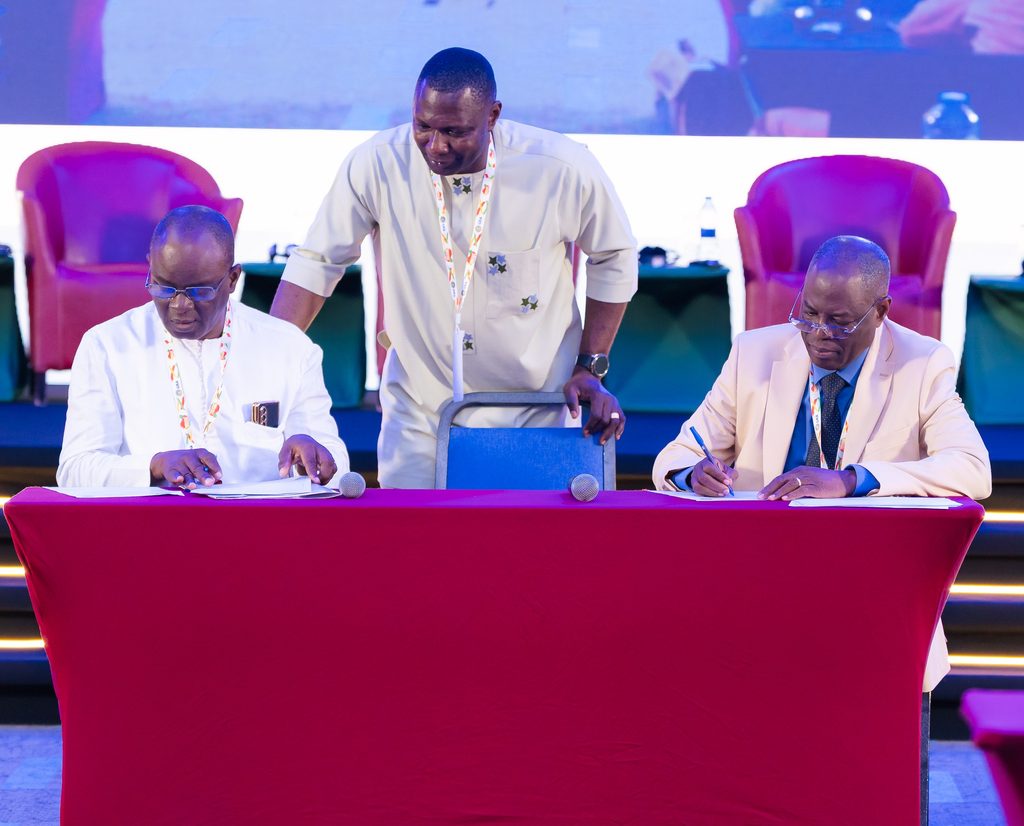
The MoU was signed on 18 September 2026 in Accra, Ghana, during WATAF’s 8th High-Level Policy Dialogue and 23rd General Assembly, one of the region’s biggest gatherings on taxation, domestic revenue mobilisation and tax administration reform.
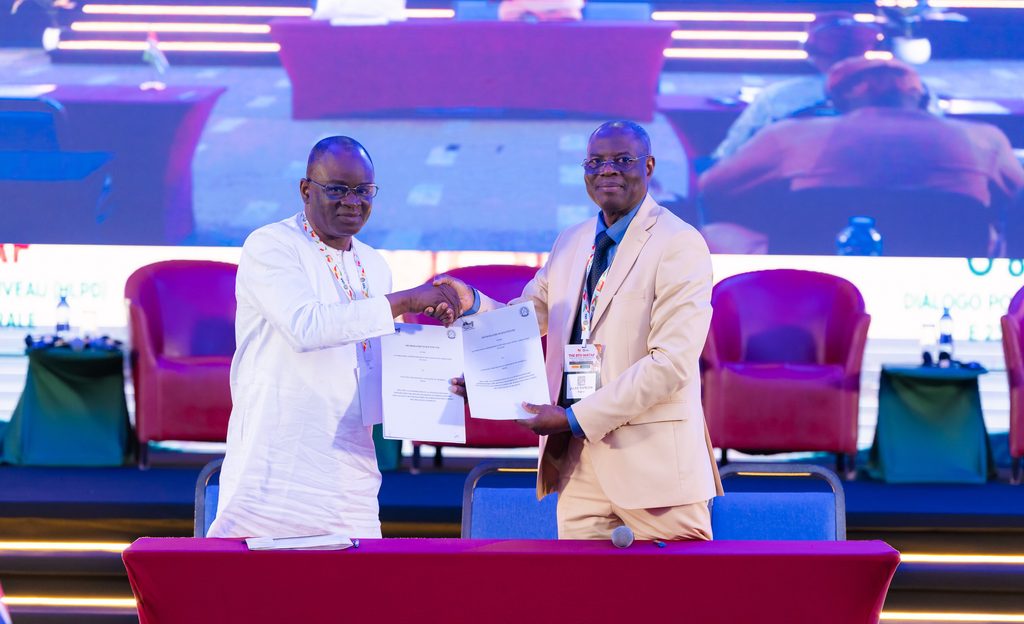
The agreement was one of the key institutional outcomes of the Accra meetings, which brought together heads and senior officials of tax administrations, policy leaders, development partners, tax professionals and other stakeholders to discuss how West African countries can build stronger tax administrations for revenue mobilisation and sustainable development.
The partnership establishes a framework for cooperation in the design, development and delivery of training programmes for officials of tax administrations in WATAF member States. It also provides for the integration of tax administration good-practice frameworks, including relevant TADAT-related content where appropriate, into selected curricula and capacity-building programmes.
Recognising the growing need for stronger, more professional and more modern tax administrations, the partnership will support skills development in key areas including domestic revenue mobilisation, performance management, compliance risk management, international taxation, transfer pricing, exchange of information, tax audit, recovery, dispute management, digital transformation and the use of data.
WATAF Executive Secretary Mr. Jules Tapsoba said the agreement reflects WATAF’s commitment to building sustainable capacity within member administrations and investing in the next generation of public finance professionals.
“This partnership with the Institut des Finances Publiques du Burkina is an important step in strengthening the institutional capacity of tax administrations in West Africa,” Mr. Tapsoba said. “By integrating good practices in tax administration into training programmes for current and future officials, we are helping to ensure that reforms are not only discussed at policy level, but embedded in the skills, systems and professional culture of our administrations.”
The IFPB, a public institution under Burkina Faso’s Ministry of Economy and Finance, is responsible for the initial and continuous training of public finance officials. It was established from the merger of the former École Nationale des Régies Financières and the École Nationale des Douanes, and has experience in training tax, customs and public finance officials from several African countries.
IFPB Director-General Mr. Barthélémy Dabré said the agreement places training at the centre of efforts to strengthen tax administration in the region.
“This cooperation with WATAF allows IFPB to contribute more directly to the strengthening of tax administrations in West Africa,” Mr. Dabré said. “Through practical training, curriculum development and the sharing of expertise, we will work together to equip public finance officials with the knowledge and tools required to support effective, ethical and modern tax administration.”
The partnership provides for training sessions to be delivered in person, online or in hybrid formats at IFPB, WATAF headquarters or in any WATAF member State. It also covers seminars, technical workshops, expert exchanges, study visits, applied research, publications, training of trainers and the development of competency frameworks and pedagogical materials.
While the agreement allows the integration of relevant TADAT-related content into selected training programmes, it makes clear that such integration does not constitute TADAT certification. Any certification under TADAT remains subject to the procedures, conditions and requirements established by the TADAT Secretariat.
The partnership is expected to benefit WATAF member tax administrations by expanding access to structured training, promoting a shared understanding of good practices, strengthening professional standards and supporting the modernisation of tax systems across the region.
The Memorandum of Understanding is concluded for an initial period of three years and is renewable. Its implementation will be guided by mutually agreed activities, available resources and the governance arrangements of both institutions.


 Views Today : 210
 Total views : 85715
