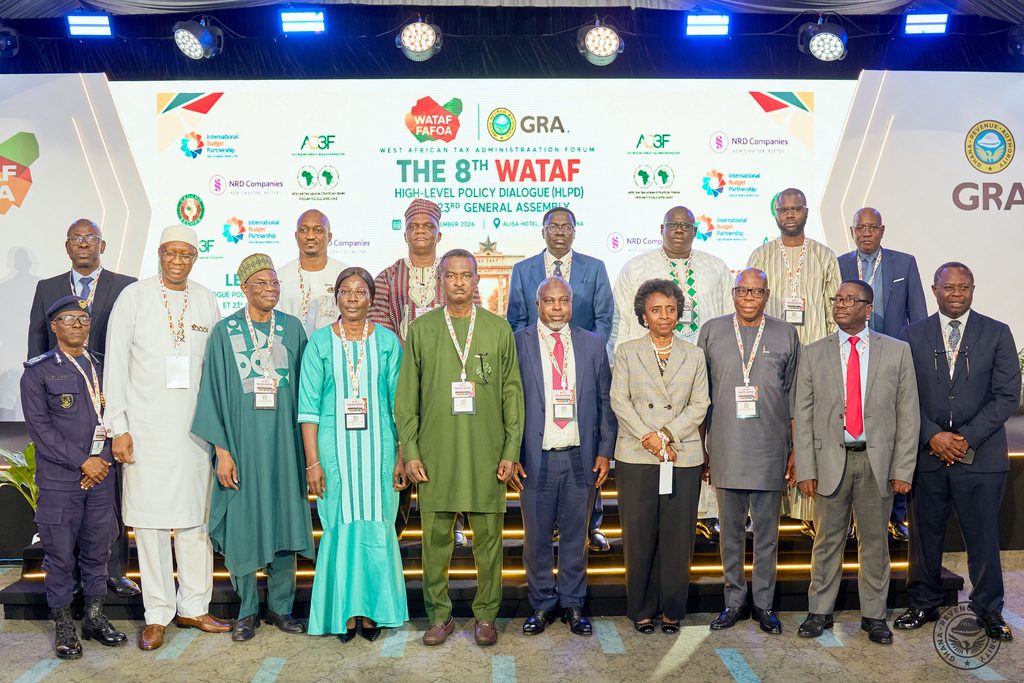
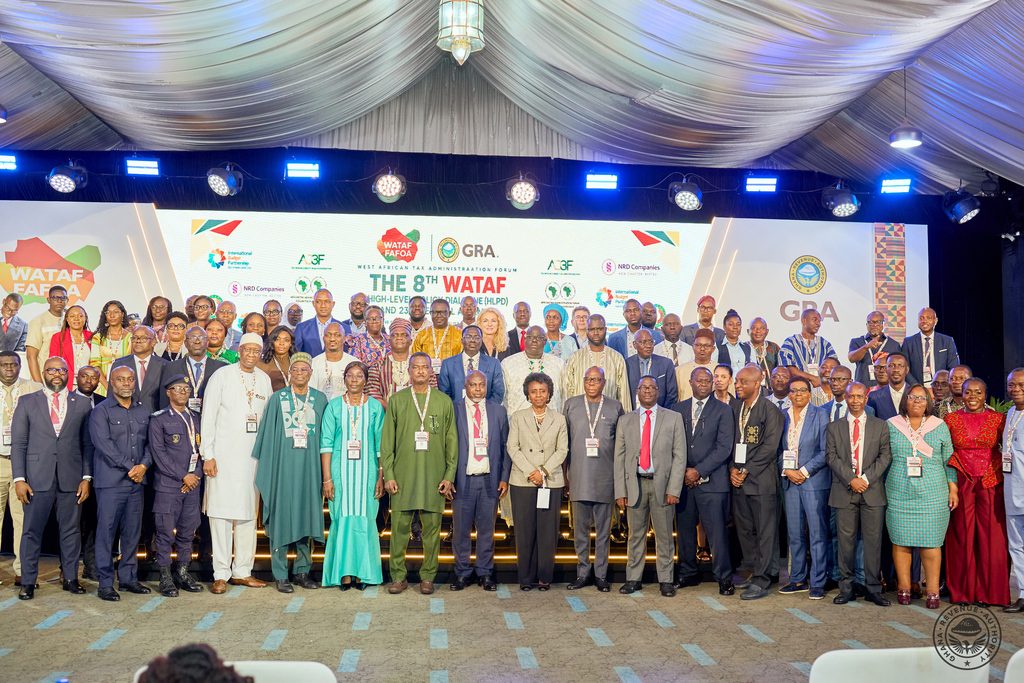
ACCRA, GHANA, 18 September 2026 — The West African Tax Administration Forum (WATAF) has concluded its 8th High-Level Policy Dialogue in Accra, Ghana, with a call for member tax administrations to move from policy commitments to measurable implementation in strengthening domestic revenue mobilisation across the region.
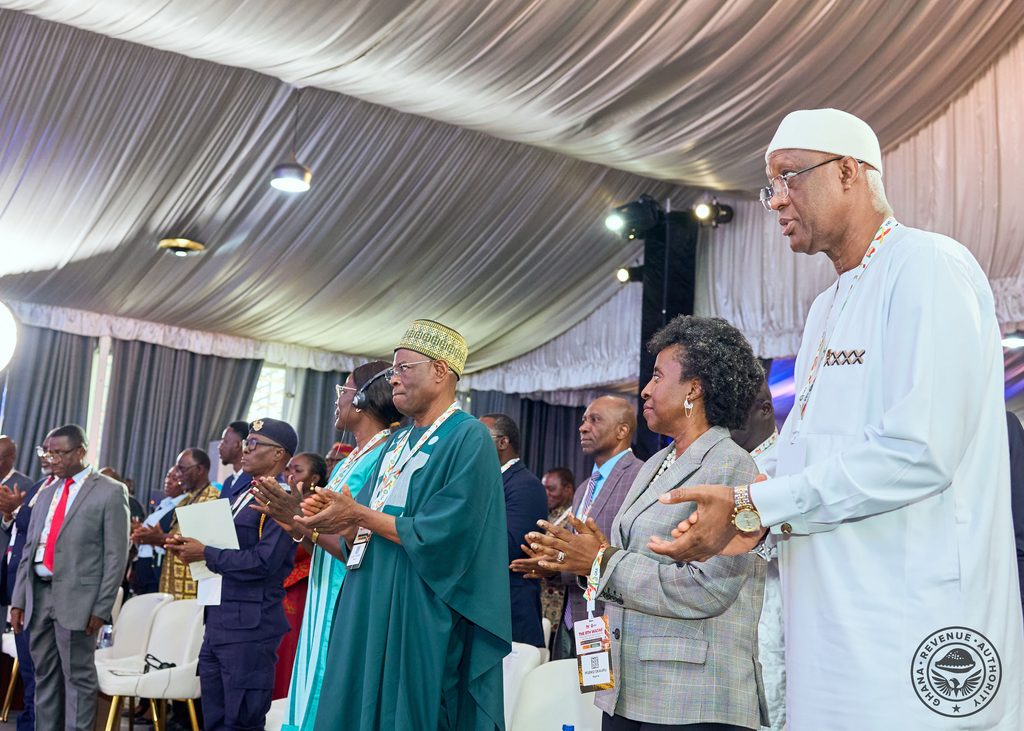
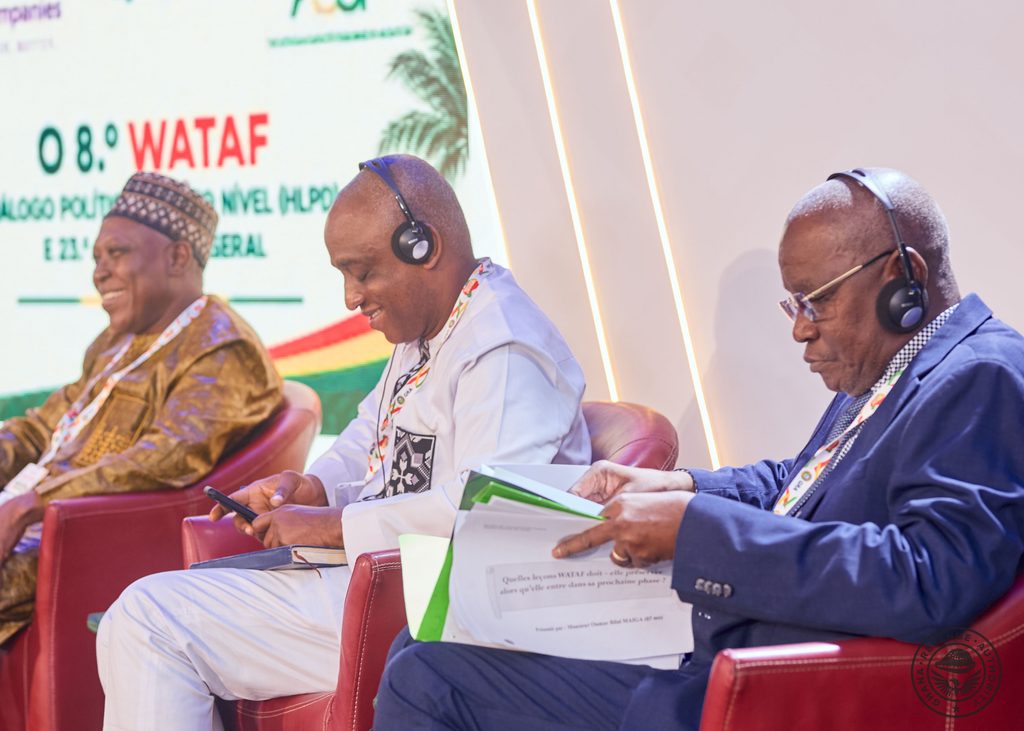
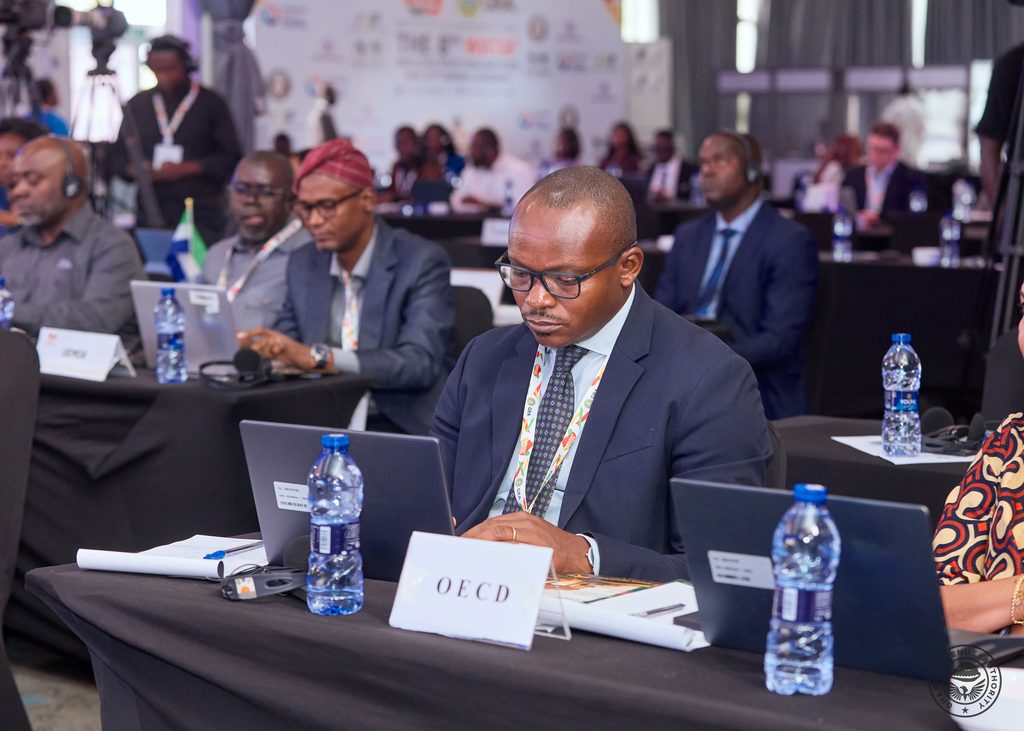
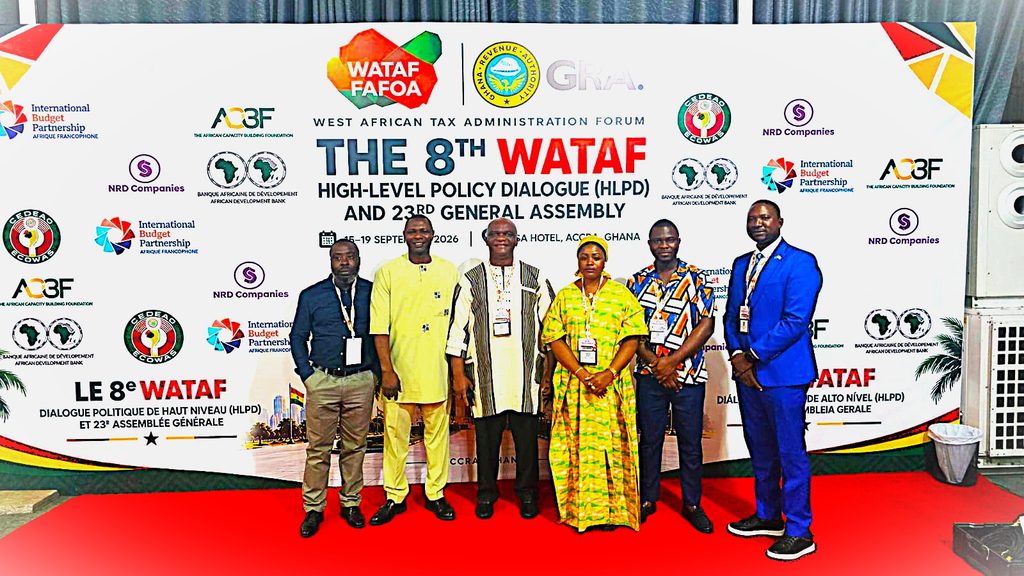
Held from 15 to 18 September 2026 at the Alisa Hotel, North Ridge, the Dialogue was convened under the theme, “Building Stronger Tax Administrations for Revenue Mobilisation and Sustainable Development.” It brought together heads and senior officials of tax and customs administrations, government representatives, regional and international institutions, development partners, the private sector, civil society, academia and tax professionals.
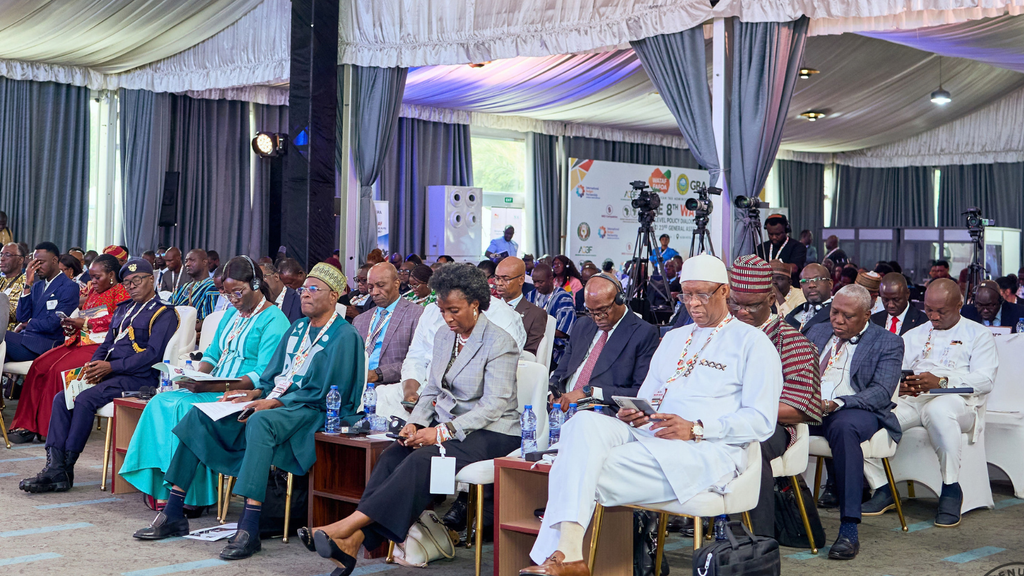
The Dialogue, which also formed part of activities marking WATAF’s 15th anniversary, provided a platform for member administrations and partners to assess progress, examine emerging challenges and define priorities for the next phase of regional tax cooperation.
Participants affirmed that effective domestic resource mobilisation remains central to fiscal sovereignty and sustainable development in West Africa, particularly at a time of constrained fiscal space, debt pressures, rapid digitalisation, cross-border commerce, climate-related risks and growing development needs.
They stressed that stronger revenue collection must be anchored in fair tax laws, capable institutions, professional integrity, taxpayer trust, sound data systems and practical regional cooperation.
A major outcome of the Dialogue was the recommendation that WATAF translate the conclusions of the Accra discussions into a sequenced regional implementation framework aligned with the WATAF Strategic Plan 2026–2030. The framework is expected to define responsibilities, timelines, resource requirements and measurable indicators covering institutional capacity, reform implementation, compliance, taxpayer services, public trust and revenue outcomes.
WATAF Executive Secretary Mr. Jules Tapsoba said the Accra Dialogue marked an important moment for the Forum as it enters a new phase of institutional growth and regional cooperation.
“The discussions in Accra made one thing very clear: West Africa does not lack commitments; what we need now is stronger implementation, better coordination and measurable results,” Mr. Tapsoba said. “WATAF will continue to work with member administrations and partners to strengthen capacity, deepen cooperation and support reforms that improve compliance, taxpayer services and domestic revenue mobilisation.”
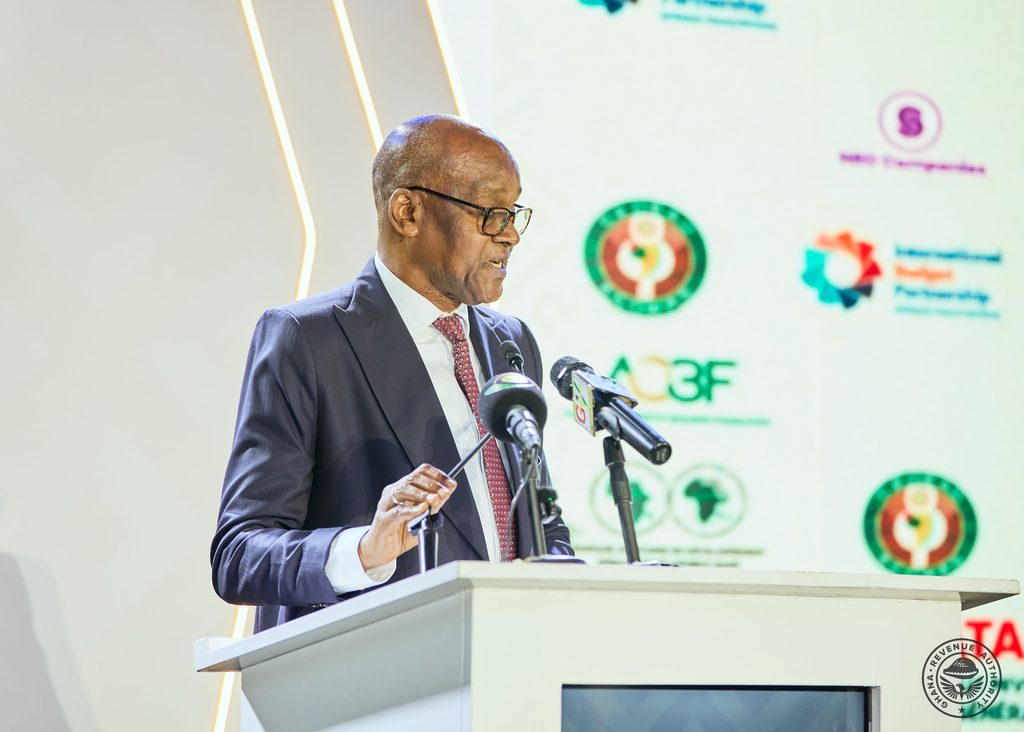
Outgoing WATAF Council Chairperson Ms. Talato Eliane Djiguemdé-Ouédraogo said the Dialogue reaffirmed the importance of regional cooperation in building stronger and more resilient tax administrations.
“WATAF has, over the past 15 years, helped to build trust, cooperation and shared learning among tax administrations in West Africa,” she said. “The next stage must be about turning that cooperation into practical results for our institutions, our taxpayers and our countries. Stronger tax administrations are essential to financing our development priorities and strengthening our fiscal sovereignty.”
Participants recognised the importance of existing ECOWAS, UEMOA and WATAF frameworks for information exchange, recovery assistance and administrative cooperation, but noted that uneven implementation continues to limit their effectiveness.
They called for deeper practical cooperation among member administrations, including structured peer assistance, coordinated compliance activities, joint risk analysis, recovery assistance, coordinated audits and secure exchange of tax and customs information, while respecting national laws and the different levels of readiness among countries.
Digital transformation emerged as one of the central themes of the Dialogue. Participants agreed that digitalisation should be treated as a broad institutional reform rather than simply the acquisition of new technology.
They noted that effective implementation of e-filing, e-payment, electronic invoicing, data analytics and artificial intelligence requires strong legal frameworks, redesigned administrative processes, interoperable systems, sound data governance, cybersecurity, skilled personnel, accessibility and privacy safeguards.
On taxation of the digital economy, participants observed that while VAT, withholding taxes and other existing instruments already capture certain forms of digital activity, major gaps remain in taxing remote services, data-driven businesses, algorithms and multinational structures that generate value without a conventional physical presence.
The Dialogue therefore recommended stronger regional guidance on nexus, VAT, withholding taxes, software, royalties, valuation, registration, verification and non-resident suppliers. Participants also called for lawful cooperation with banks, payment service providers, digital regulators and other relevant data holders to improve verification and compliance.
Ghana Revenue Authority Commissioner-General Dr. Anthony Kwasi Sarpong said Ghana was pleased to host a Dialogue focused on issues that are central to the future of revenue administration in the region.
“For Ghana, hosting this Dialogue has been an honour and a responsibility,” Dr. Sarpong said. “The conversations in Accra showed that our countries face common challenges, but also share common opportunities. Through cooperation, innovation and stronger institutions, West African tax administrations can improve compliance, build taxpayer trust and mobilise the revenues needed for sustainable development.”
The Dialogue also underscored that sustainable tax reform must be fair, inclusive and trusted by citizens. Participants linked taxpayer confidence to transparent administration, predictable treatment, accessible redress mechanisms and a clear demonstration of the public value derived from taxation.
They called for reforms that recognise the realities of informal-sector operators, women-led enterprises and other underserved groups, while avoiding disproportionate compliance burdens. They also stressed the importance of taxpayer education, improved services, professional standards, internal controls, dispute-resolution mechanisms and transparent communication on the use of public revenue.
Participants further highlighted the need for stronger oversight of tax incentives and expenditures, beneficial ownership arrangements, transfer pricing practices, treaty policy and cross-border revenue risks, including illicit financial flows.
As part of the institutional outcomes of the Accra meetings, participants welcomed the signing of Memoranda of Understanding involving WATAF and key partners, including agreements between the tax administrations of Liberia and The Gambia, between WATAF and the Society of Women in Taxation West Africa (SWITWA), and between WATAF and the International Bureau of Fiscal Documentation (IBFD).
These agreements are expected to strengthen cooperation, knowledge exchange, inclusion, research and capacity development in support of stronger tax administrations in the region. Participants recommended that the new agreements be translated into time-bound work plans with designated focal points, agreed deliverables and regular progress reporting.
Development partners were also urged to align their support with priorities identified by member administrations, avoid duplication, promote knowledge transfer and ensure that beneficiary institutions are able to own and sustain the systems and reforms introduced.
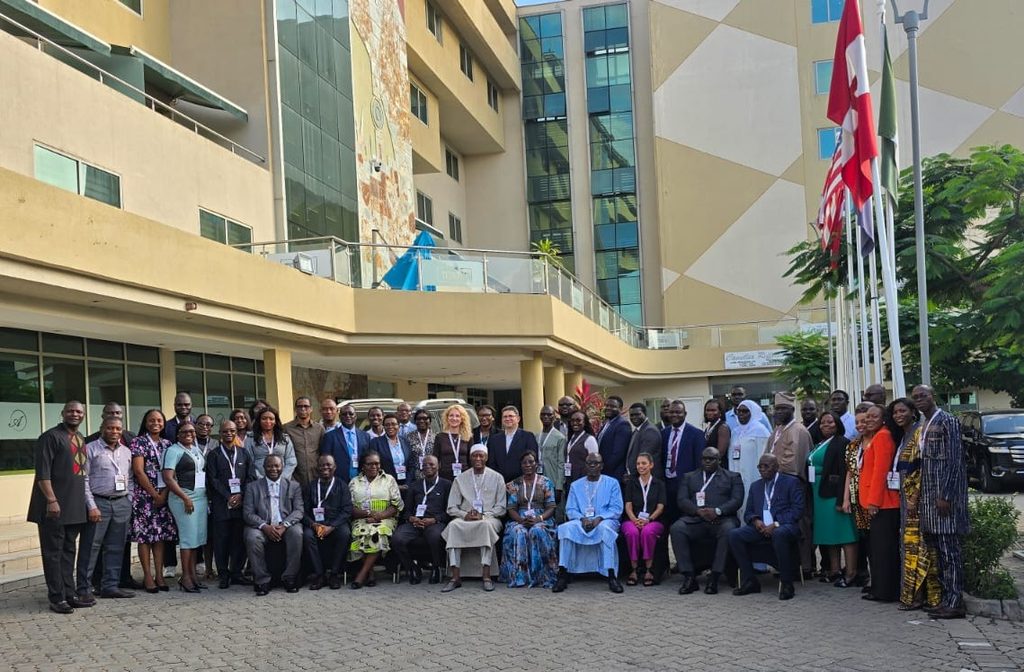
Reflecting on WATAF’s 15 years of institutional development, participants acknowledged the Forum’s contribution to regional trust, multilingual cooperation, training, peer learning and the development of a shared institutional identity among West African tax administrations.
They encouraged WATAF to focus increasingly on measurable results, including improvements in administrative capability, reform implementation, compliance outcomes, taxpayer services and revenue performance, rather than relying mainly on activity-based indicators.
The Dialogue concluded that West Africa’s next advance in domestic resource mobilisation will depend less on creating additional commitments than on implementing existing ones with consistency, competence and integrity.
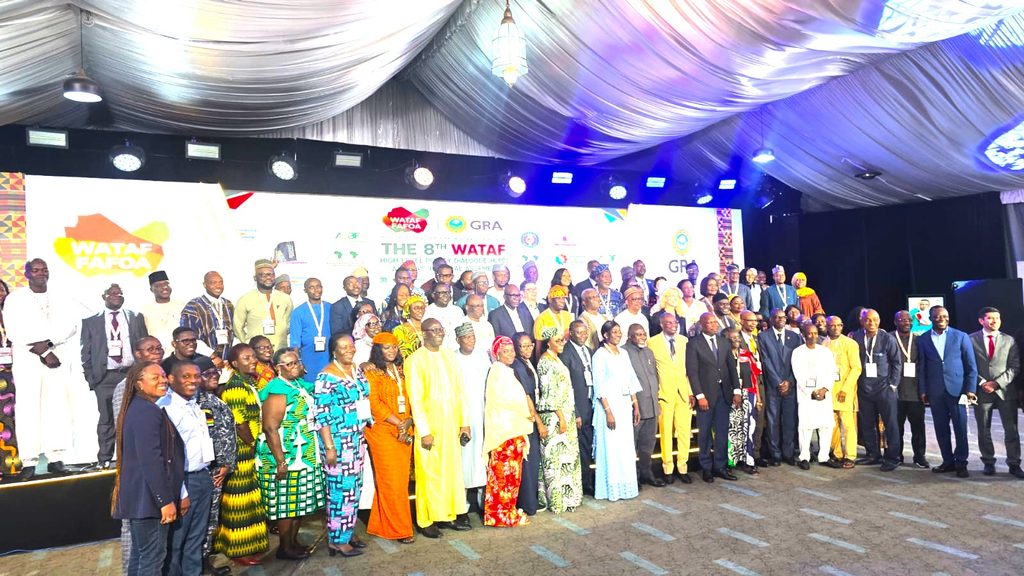
WATAF expressed appreciation to the Government of the Republic of Ghana, the Ghana Revenue Authority and the Local Organising Committee for hosting the Dialogue, as well as to member administrations, speakers, moderators, partners and participants whose contributions enriched the proceedings.


 Views Today : 217
 Total views : 85491
