By Danicius Kaihenneh Sengbeh
The ECOWAS technical gathering in Conakry, Guinea, was not just another regional meeting of tax officials and development partners. It was a conversation about how West Africa can save lives, reduce disease and raise the revenue needed for development.
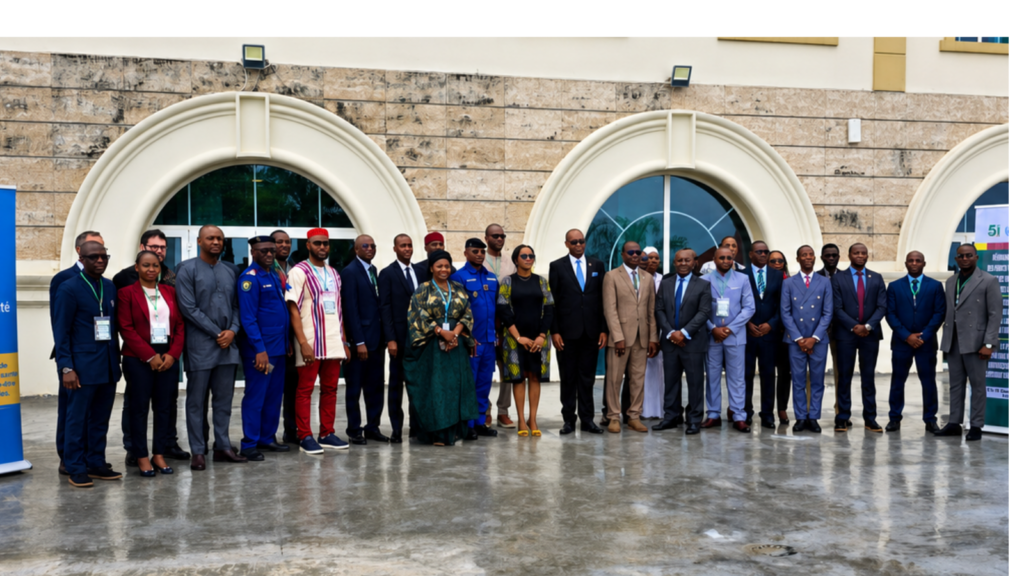
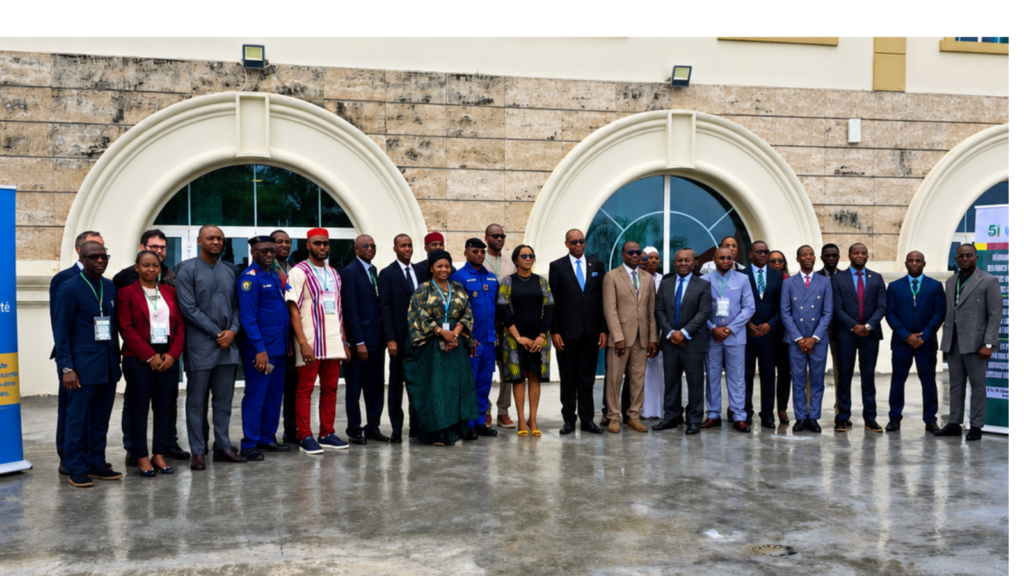
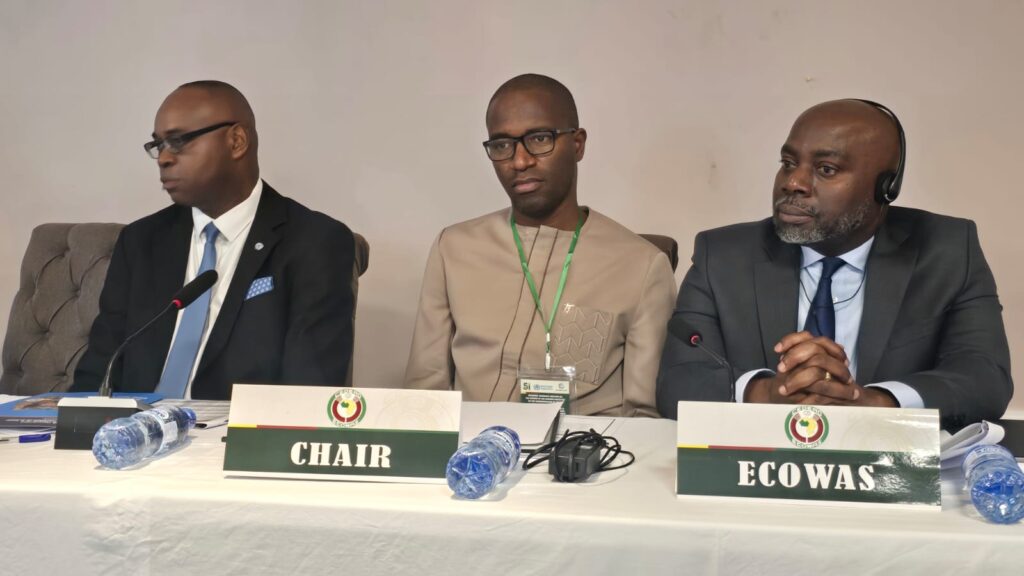
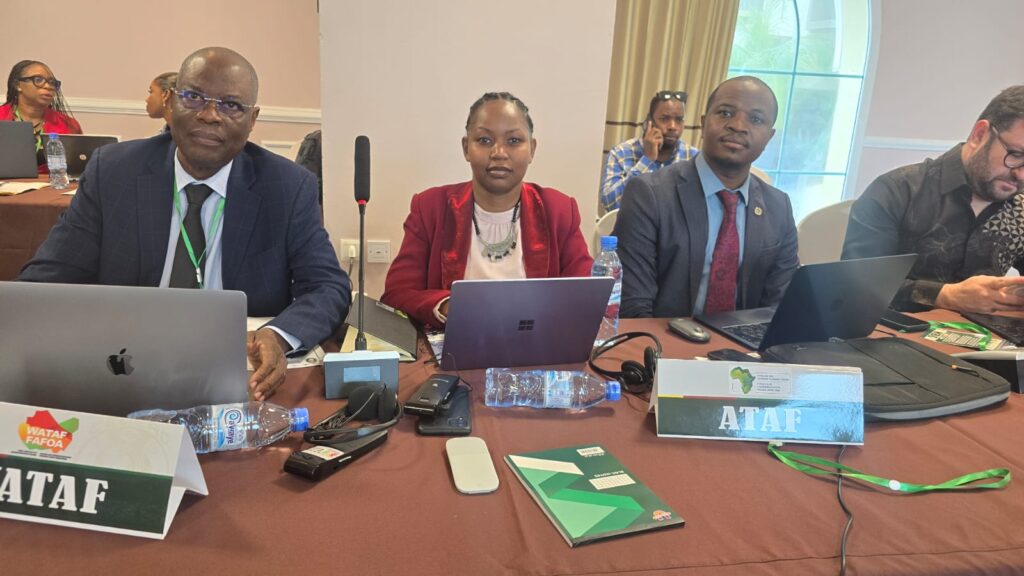
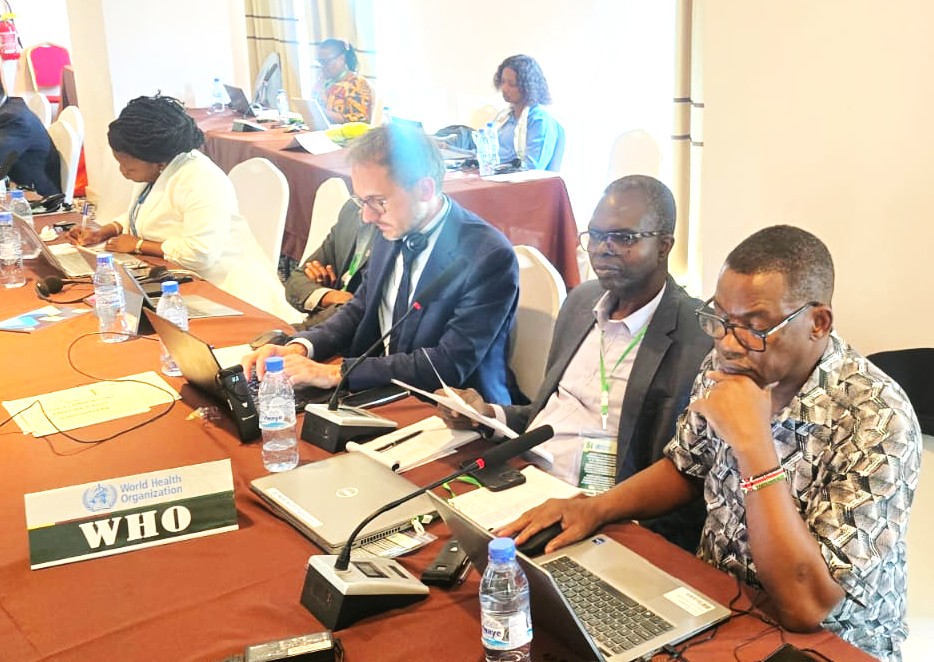
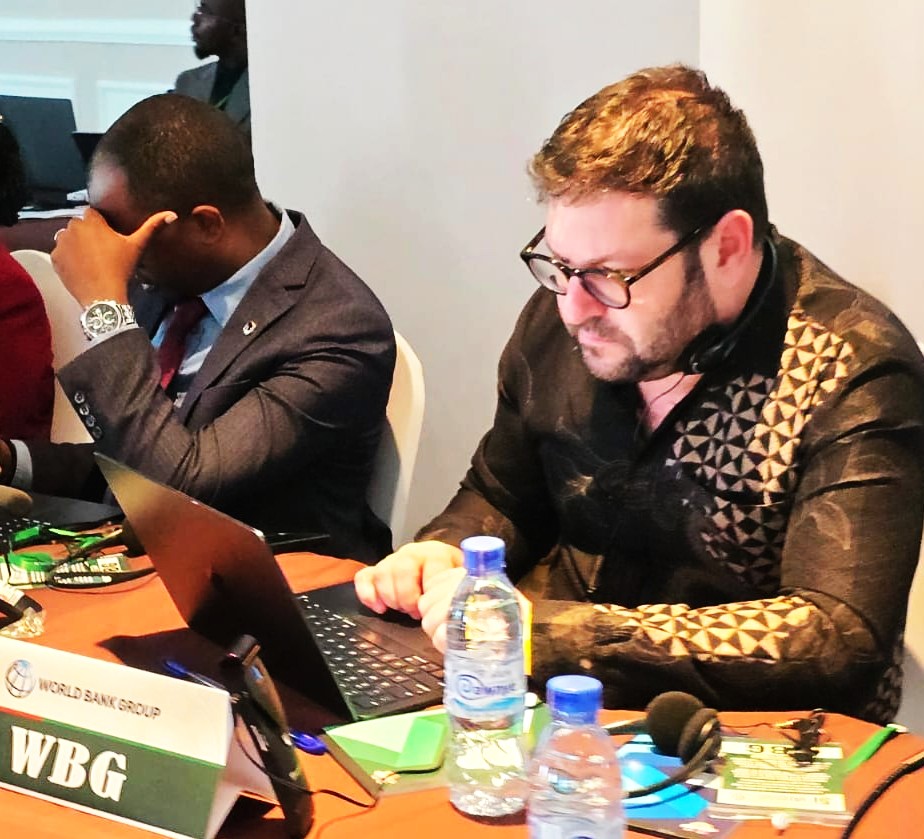
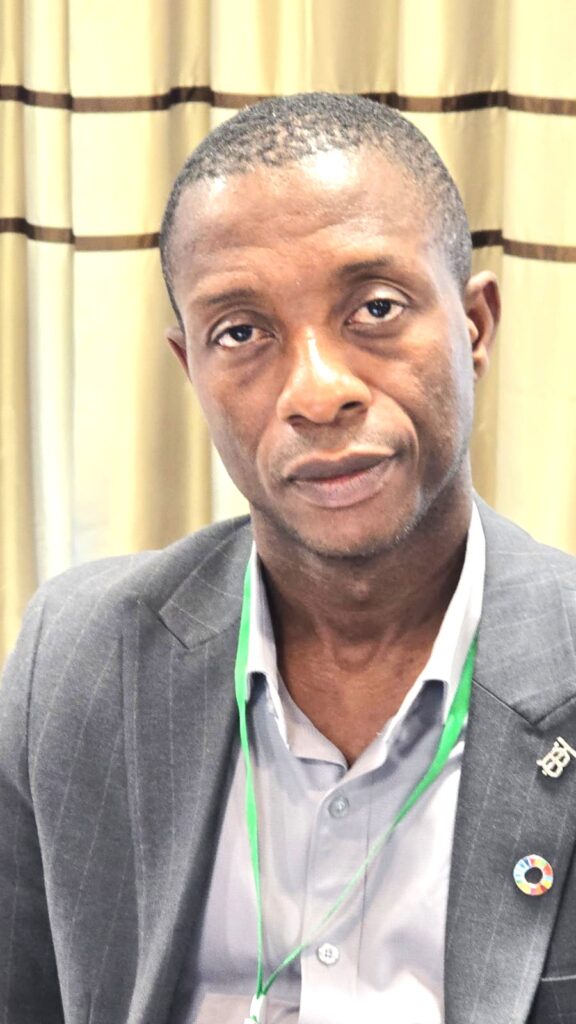
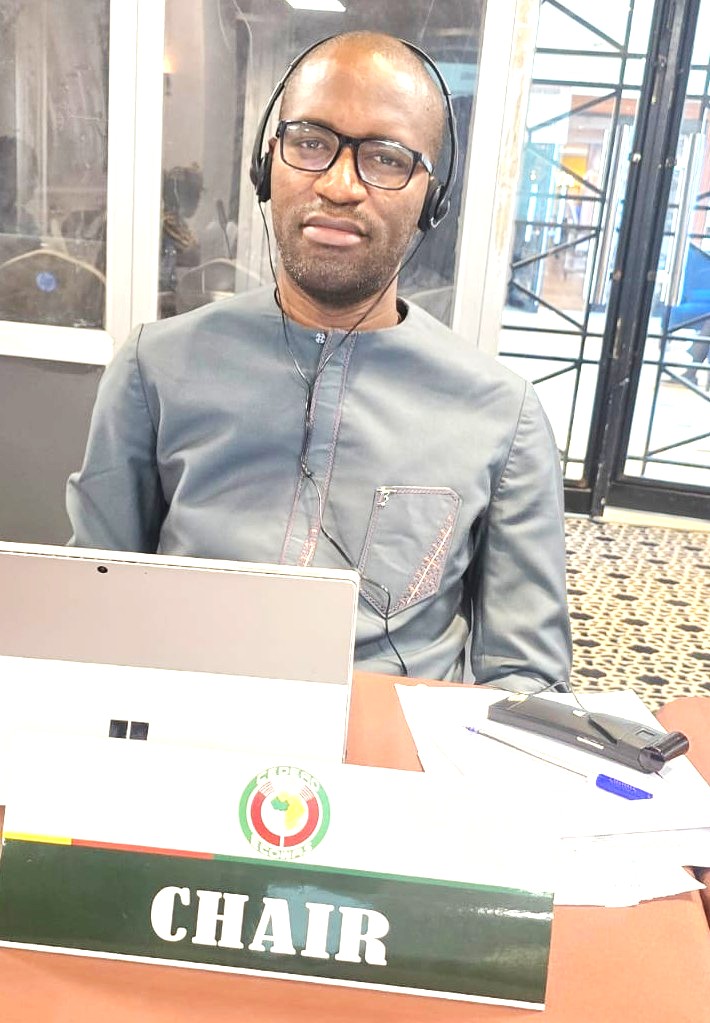
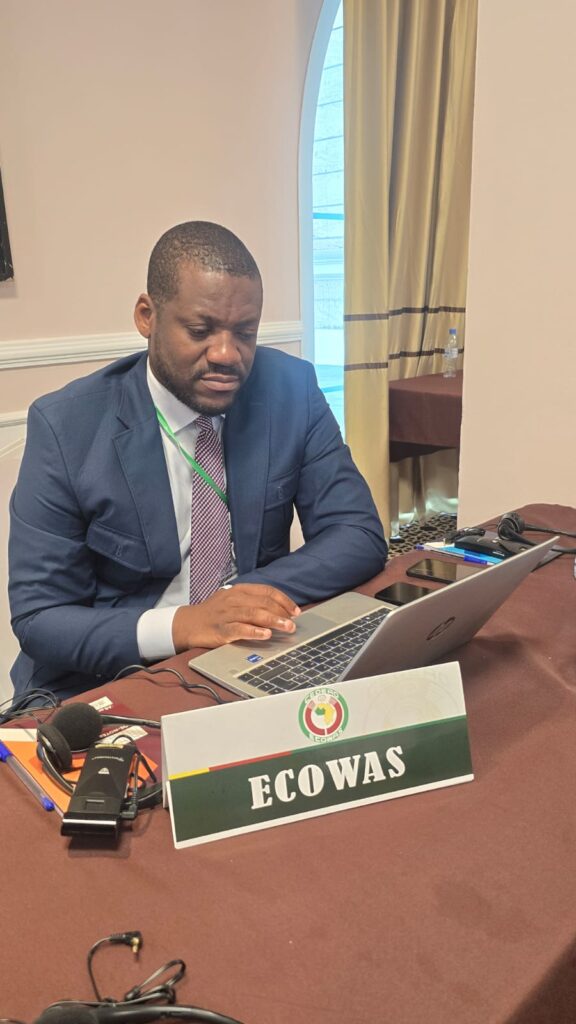
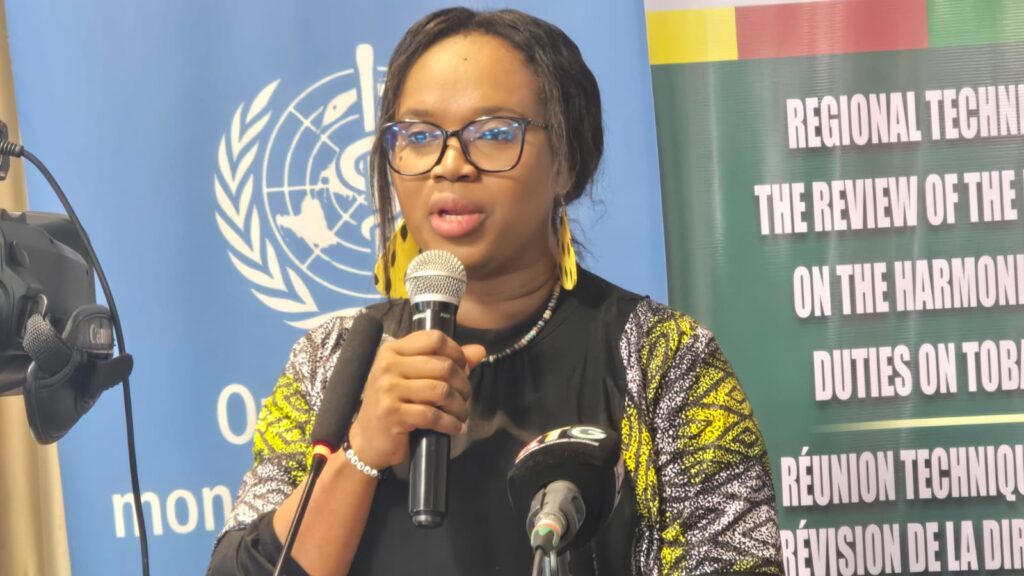
From 10 to 12 August 2026, tax policy officials from ECOWAS Member States, the ECOWAS Commission, the UEMOA Commission, the World Health Organization, the World Bank, the African Tax Administration Forum, the West African Tax Administration Forum and other partners met to review the ECOWAS Directive on the Harmonisation of Excise Duties on Tobacco Products.
At the heart of the discussion was one important question: how could West Africa use taxation more effectively to protect public health while strengthening the revenues needed for sustainable development?
That question mattered because tobacco remains one of the most dangerous consumer products in the world. It damages lives quietly, weakens families, increases the burden on health systems and contributes to preventable deaths. Its impact is not limited to those who smoke. It reaches households, workplaces, hospitals and national budgets.
The statistics presented in Conakry were troubling. Tobacco kills more than 7 million people every year globally, including more than 1.6 million non-smokers exposed to second-hand smoke. In Guinea alone, tobacco-related diseases were reported to cause about 4,400 deaths annually, costing the country about US$58 million each year. Across Africa, about 22,000 women die every year from preventable tobacco-related diseases, while 48.2 percent of young people in the African Region are exposed to second-hand tobacco smoke in public places.
The crisis is not only about death. It is also about cost. Smoking-related diseases are linked to cardiovascular illnesses, respiratory diseases and more than 20 types or subtypes of cancer. In Nigeria, a comprehensive study cited during the meeting estimated that smoking-related diseases cost the health system about 526.4 billion naira every year.
For countries already facing development financing gaps, tobacco therefore creates a double burden: it harms citizens and increases public health costs while remaining undertaxed in many places.
That was why the Conakry meeting mattered.
It was not one of those gatherings dominated by coffee and lunch breaks. It was more than intentional. The technical session examined the implementation of the current ECOWAS framework and considered reforms that could make tobacco taxation stronger, more effective and more harmonised across the region. The discussions focused on excise duty structures, revenue performance, barriers to harmonisation, tracking and tracing systems, illicit trade controls, tax administration solutions, data systems, audit capacity and technical assistance needs.
These issues may sound technical, but their consequences are deeply human. When tobacco products are cheap and easily accessible, consumption rises, especially among young people and low-income populations.
That is not technical!
When tax systems are weak or fragmented, illicit trade finds room to grow. When countries apply very different tax rates, cross-border movements and tax arbitrage can undermine national policy. In a region as connected as West Africa, no country can address tobacco taxation effectively in isolation.
That is human!
The ECOWAS Directive of 2017 was intended to harmonise excise duties on tobacco products, reduce tax competition, strengthen regional integration, increase public revenue and reduce tobacco consumption. But the Conakry discussions showed that the current framework needs urgent reform.
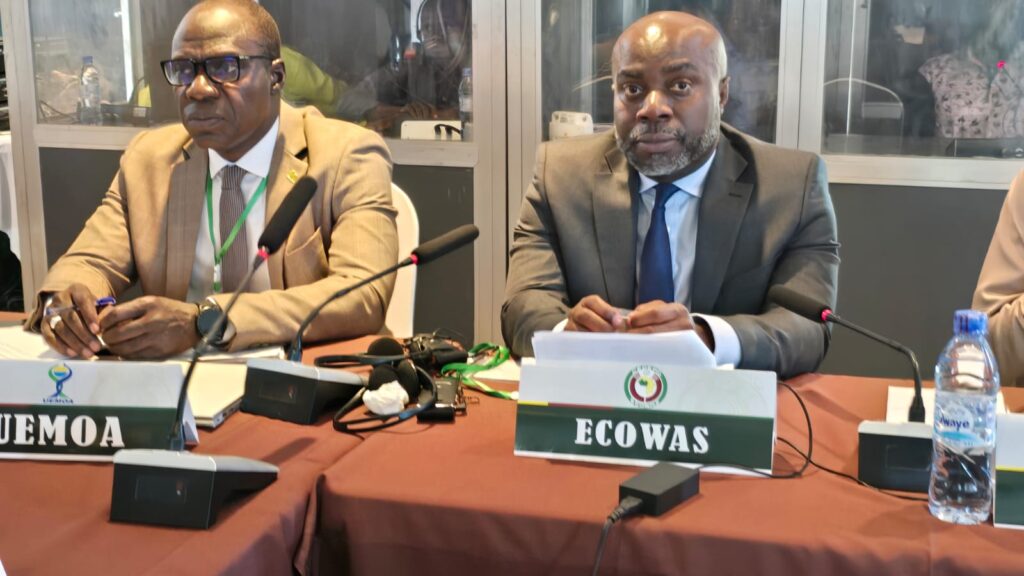
As of 2024, no ECOWAS Member State had fully implemented the 2017 Directive. The current minimum specific excise duty of US$0.02 per cigarette was considered weak in light of present realities. The directive also lacks an automatic adjustment mechanism for inflation, exchange-rate volatility or income growth, meaning tobacco can become more affordable over time if taxes are not regularly updated.
The existing framework also does not adequately address emerging tobacco and nicotine products such as electronic cigarettes, heated tobacco products, nicotine pouches and e-liquids. It contains limited provisions on tax administration, licensing, digital tax stamps, traceability and regional enforcement systems.
In short, the law needs reform.
The proposed ECOWAS reforms therefore represented more than a fiscal adjustment. They represented a regional attempt to align health protection with revenue mobilisation. According to the ECOWAS Commission presentation delivered in Conakry by Mr Darlingston Y. Talery, Acting Director of the Directorate of Customs Union and Taxation, the proposed reforms could increase regional tobacco tax revenues by 300 percent compared to the 2024 baseline. The reforms also targeted a reduction of more than 30 percent in smoking prevalence, a 20 percent decline in cigarette sales volumes, a 70 percent excise burden on cigarettes as a share of retail selling price, and a 50 percent reduction in smoking among young people under 25.
These figures were important because they challenged the old argument that tobacco taxation is only about revenue. Properly designed tobacco taxation is also about prevention. It is about making harmful products less affordable, discouraging initiation among young people, reducing consumption among current users and creating fiscal space for governments to fund essential services.
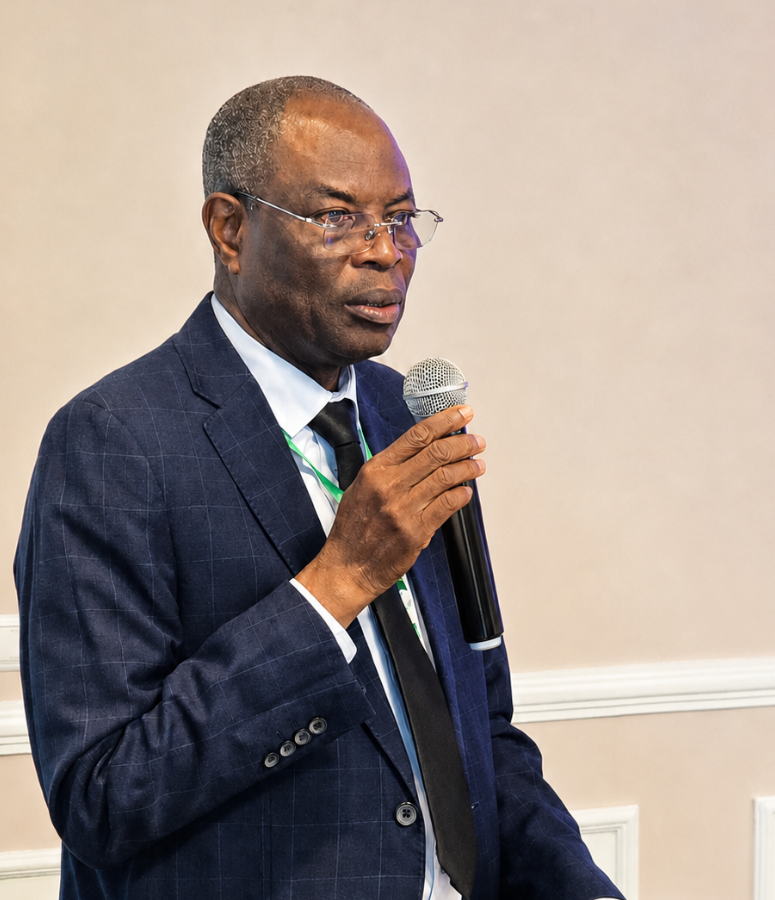
For the West African Tax Administration Forum, this point was central. WATAF Executive Secretary, Mr Jules Tapsoba, rightly noted that tobacco taxation must be seen as both a revenue and public health policy tool. Tax and customs administrations have a major role to play in implementing tobacco-control policies, not by replacing health authorities, but by ensuring that fiscal systems support national and regional health objectives.
This was particularly important for West Africa, where many countries continue to face pressure to mobilise more domestic revenue. Governments need resources to finance health, education, infrastructure, social protection and development programmes. At the same time, they must protect their populations from products that deepen poverty, increase disease and weaken productivity. Tobacco taxation sits directly at that intersection.
The meeting in Conakry also brought attention to the importance of harmonisation. If one country raises tobacco taxes while neighbouring countries maintain much lower rates, the region risks creating incentives for smuggling, informal trade and tax avoidance. A harmonised ECOWAS framework can reduce these distortions and support stronger enforcement.
Another key issue was illicit trade. The illicit tobacco trade deprives governments of revenue and makes tobacco products more accessible, often at cheaper prices. This weakens both fiscal and health objectives. Stronger administrative controls, licensing systems, tax stamps, tracking and tracing mechanisms, data sharing and cross-border cooperation are therefore essential.
Tax policy cannot succeed if tax administration is weak.
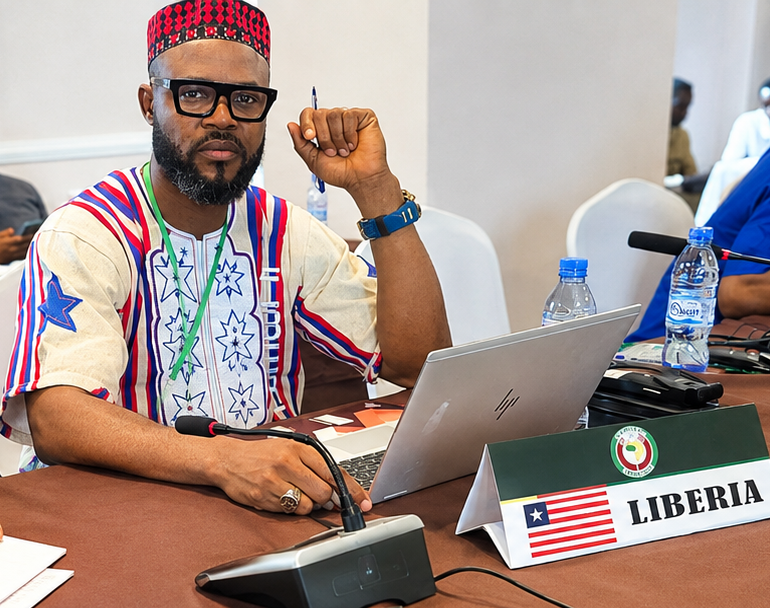
The Conakry meeting was also significant because it allowed countries to learn from one another. Benin, Cabo Verde, The Gambia, Guinea, Liberia, Nigeria, Senegal and Togo presented their structures, rates, revenue data, progress and challenges. Liberia, for example, stood out as one of the countries applying a specific taxation structure and showing good mobilisation, even though product marking remains an area requiring improvement.
Other country experiences also provided important lessons. Ghana’s reform, presented through the WHO analysis, showed that the introduction of a significant specific tax component in 2023 made cigarettes more expensive, reduced consumption by about one-third between 2022 and 2023, and increased tobacco-related revenue by about 100 million cedis despite declining consumption. Kenya’s experience with tax marking also showed that illegal cigarette entry could be reduced significantly, from 15 percent to 5 percent between 2003 and 2016.
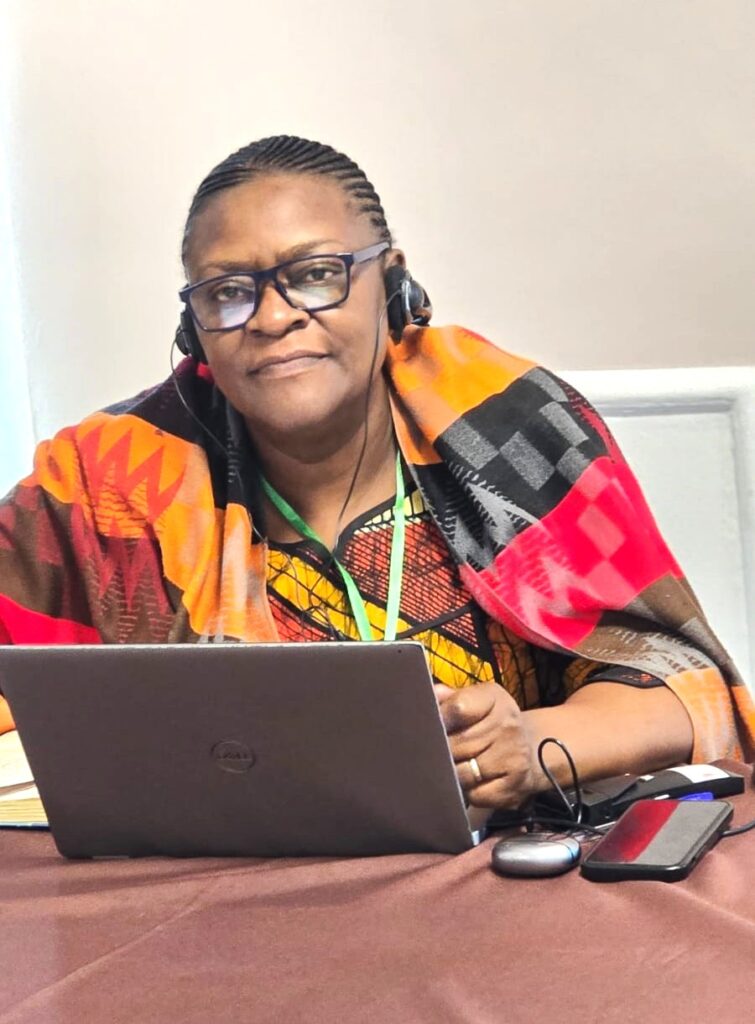
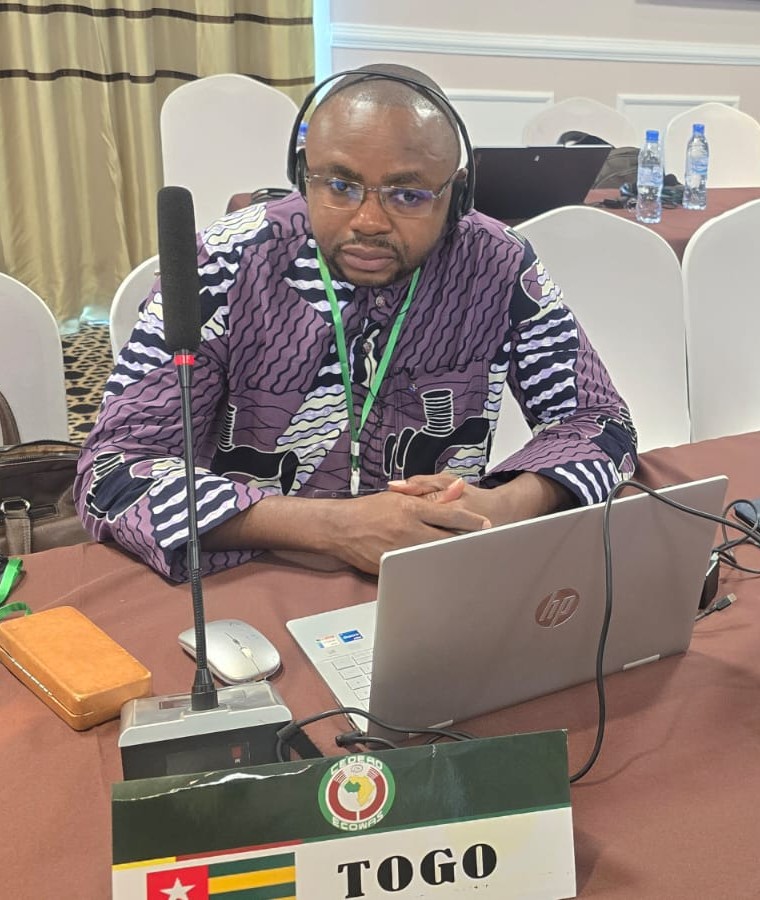
These examples confirmed a simple point: well-designed taxation, supported by strong administration, can protect both revenue and health.
The recommendations from Conakry were therefore practical and urgent. Member States were encouraged to establish or improve product marking systems, raise awareness of the directive among economic operators and civil society, index specific excise duties to inflation, and consider allocating a significant share of tobacco excise revenue to the health sector.
The meeting also called for the entire tobacco marketing chain to be covered through stronger tracking and marking systems, while each Member State was encouraged to develop a clear national action plan for implementing the directive.
For the ECOWAS Commission, the recommendations pointed to stronger regional leadership. Participants called for another online session involving all Member States, technical support for countries facing implementation challenges, harmonisation of excise bases and rates to avoid tax competition, and the development of a uniform product marking system to help countries fight smuggling.
They also called for stronger taxation of all products harmful to health, improved technical and human capacity in tax administrations, harmonised statistics and currencies for easier comparison, regional interoperability of traceability systems, and deeper sharing of expertise across the Community.
These recommendations point clearly to what lies ahead.
The region must now move from discussion to implementation. Stronger laws must be domesticated. Tax administrations must be equipped. Customs systems must cooperate. Health ministries must provide evidence. Finance ministries must defend the reforms. Parliaments must understand the public interest. Civil society and the media must help the public see that tobacco taxation is not punishment, but protection.
The real test after Conakry will not be the beauty of the communiqué. It will be action.
Tobacco taxation is not a punishment against consumers. It is a public policy response to a product that causes serious harm. When designed well, it sends a clear signal: harmful products should carry a higher fiscal burden because they impose heavy costs on society. The revenue generated can help governments fund the very systems needed to protect citizens, while higher prices can reduce consumption and save lives.
The echoes from Conakry should therefore travel beyond the meeting room of Camayenne Hotel. They should reach ministries of finance, revenue authorities, customs administrations, health ministries, parliaments, civil society, the media and ordinary citizens. The message is simple but powerful: West Africa can protect health and raise revenue at the same time.
The path forward requires courage and cooperation. It requires Member States to move beyond fragmented policies and embrace a stronger regional approach. It requires tax administrations to improve enforcement, health authorities to provide evidence, development partners to support capacity, and political leaders to defend reforms in the public interest.
If West Africa acts on the lessons from Conakry, the meeting will be remembered not merely as a technical discussion on excise duties, but as a turning point in the region’s effort to tax harmful products, protect lives and build stronger systems for sustainable development.
—
About the Author:
Danicius Kaihenneh Sengbeh is the Communication and IT Manager at the West African Tax Administration Forum (WATAF). He is a Liberian journalist, communication specialist and tax communication practitioner with experience in public affairs, media development, regional tax communication and institutional storytelling. He previously served as Chair of the African Tax Media Network (ATMEN) and has worked extensively at the intersection of journalism, taxation, public policy and development communication. WhatsApp: +231777586531


 Views Today : 57
 Total views : 90812
